Introduction
In the dynamic and busy world of contract food manufacturing, making certain safe and reliable manufacturing is of utmost value. With the raising demand for top quality foodstuff, it is important for agreement makers to abide by stringent guidelines and requirements. One such requirement that plays a vital role in assuring the safety and security and also dependability of contract food manufacturing in Australia is Good Production Practices (GMP). In this write-up, we will certainly check out the importance of GMP in the context of contract food manufacturing in Australia.
Contract Food Production: An Overview
Before diving into the role of GMP, allowed's initial understand what contract food manufacturing involves. Contract food manufacturing refers to the process where a business contracts out the manufacturing of its foodstuff to a specialized producer. This enables companies to concentrate on other aspects of their business, such as marketing and also distribution, while leaving the production process to experts.
In Australia, contract food manufacturing has actually acquired considerable traction because of its countless advantages. It makes it possible for companies to use the competence and sources of seasoned suppliers, decreases operational expenses, and provides access to state-of-the-art facilities. Nevertheless, with these benefits come various obstacles, including keeping item high quality, sticking to safety laws, and guaranteeing uniformity throughout the production process.
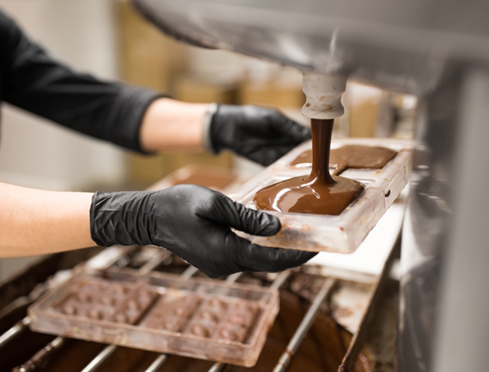
The Relevance of GMP in Agreement Food Manufacturing
Good Manufacturing Practices (GMP) are a collection of guidelines that detail the minimum requirements for guaranteeing risk-free and also dependable manufacturing contract sauce manufacturers australia in different industries, including food production. These techniques incorporate all elements of manufacturing, from center layout to employees training and also item testing.
GMP plays a critical function in contract food manufacturing by establishing quality control measures that shield consumers from potential carcinogen. By adhering to GMP standards, agreement suppliers can ensure that their procedures are effective, consistent, and certified with regulative demands. This not only safeguards public health but likewise boosts the credibility as well as reliability of both the supplier and also the brand name they are producing for.
The Crucial element of GMP in Agreement Food Manufacturing
To comprehend just how GMP ensures secure and also reliable contract food manufacturing in Australia, let's discover a few of its crucial elements:
1. Facility Style and Maintenance
Proper center design is important to reduce the risks of contamination as well as guarantee a hygienic manufacturing environment. GMP guidelines define demands for format, building and construction materials, ventilation, illumination, and waste monitoring systems. Regular upkeep and cleansing are likewise important to stop the build-up of virus or contaminants.
2. Employee Training
Well-trained workers are the foundation of any effective contract food manufacturing operation. GMP emphasizes the relevance of training staff members on hygiene practices, proper handling of devices and active ingredients, allergen control, and personal protective steps. Continuous training programs make certain that staff members remain updated with industry best practices.
3. Basic Material Control
GMP mandates strict control over basic materials utilized in the production procedure. This consists of verifying vendor certifications, conducting inbound inspections for quality assurance, carrying out proper storage space procedures, and preserving traceability throughout the supply chain. Sticking to these controls aids prevent contamination and ensures that only safe and also top notch active ingredients are used.
4. Product Examining as well as Quality Assurance
Regular item screening is an important part of GMP to validate that products fulfill needed specifications and also safety and security criteria. This includes microbiological testing, chemical analysis, sensory assessment, and also shelf-life research studies. By carrying out thorough screening at different stages of production, contract manufacturers can determine prospective problems beforehand as well as take rehabilitative actions promptly.
5. Documentation and Record-Keeping
Accurate paperwork is necessary to show compliance with GMP standards. This consists of preserving records of basic material vendors, equipment calibration, personnel training, cleansing timetables, set manufacturing documents, as well as item launch documents. Great paperwork methods enable producers to trace any type of issues or deviations as well as take proper corrective actions.
6. Audits and Inspections
Regular audits as well as examinations are carried out by governing bodies or third-party organizations to make certain conformity with GMP requirements. These assessments evaluate the effectiveness of an agreement supplier's high quality administration system, recognize locations for enhancement, as well as supply guarantee that all required controls remain in place.
FAQs regarding GMP in Contract Food Manufacturing
What is the duty of GMP in contract food manufacturing? GMP plays an important function in making certain risk-free as well as trustworthy contract food manufacturing by establishing standards for quality control, facility layout, employees training, product screening, paperwork, and audits.
How does GMP contribute to customer safety and security? By sticking to GMP requirements, agreement makers can reduce the threats of contamination and also make sure that foodstuff fulfill required safety and security requirements. This shields consumers from prospective health hazards connected with unsafe food.
What are the consequences of non-compliance with GMP standards? Non-compliance with GMP standards can have severe repercussions, including item remembers, legal fines, damages to brand name credibility, as well as possible harm to customers' health. It is important for agreement suppliers to prioritize adherence to these standards.

Is GMP necessary for contract food manufacturing in Australia? Yes, GMP is obligatory for all contract food manufacturers in Australia. The Australian government has applied strict laws to make certain that all food products satisfy the highest possible safety and security as well as high quality standards.
How can get producers implement GMP efficiently? Agreement manufacturers can carry out GMP properly by purchasing durable high quality management systems, conducting routine training programs for workers, teaming up with relied on distributors, keeping precise paperwork, as well as undergoing routine audits and inspections.

Can GMP accreditation enhance a contract manufacturer's reputation? Yes, obtaining GMP qualification demonstrates a contract producer's dedication to creating secure as well as premium food. It improves their credibility and reputation amongst clients as well as customers alike.
Conclusion
In the realm of contract food manufacturing in Australia, sticking to Good Manufacturing Practices (GMP) is necessary for making sure safe as well as reputable manufacturing. GMP guidelines include numerous facets of the manufacturing procedure, including facility style, personnel training, resources control, item testing, documents, as well as audits. By carrying out and preserving these methods, contract manufacturers can shield customers from prospective carcinogen, enhance their reputation, and also add to the general safety and security and top quality of the food industry. As the demand for contract food manufacturing continues to grow, it is critical for manufacturers to prioritize GMP compliance to satisfy governing requirements as well as surpass consumer expectations.